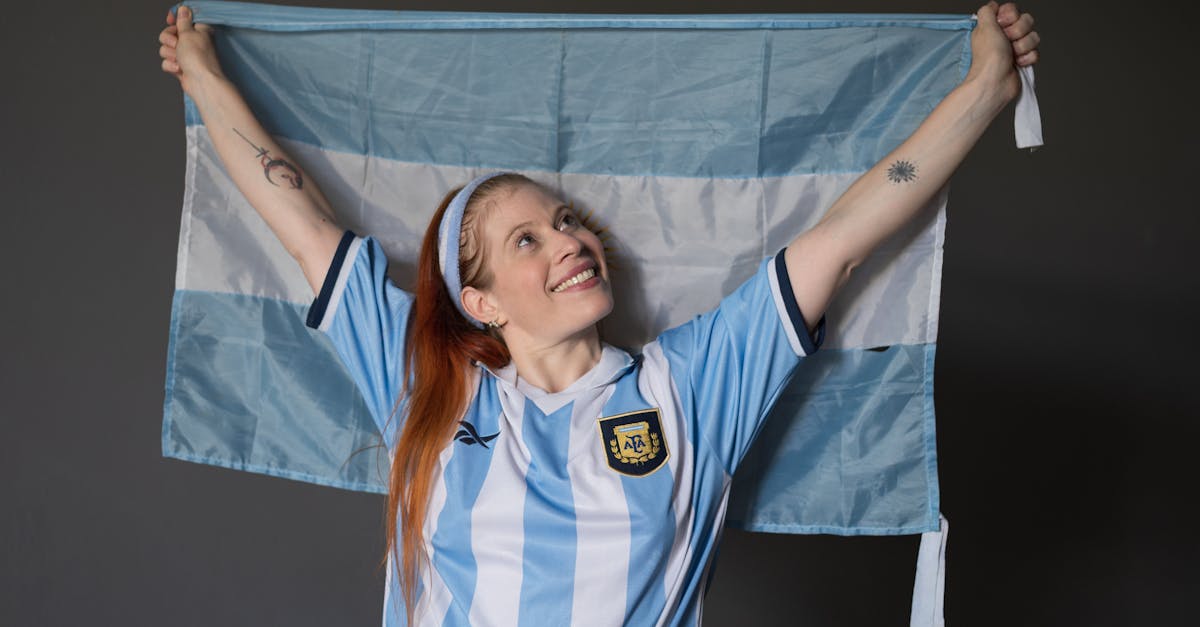
mua combo ao bong da va quan world cup - The FIFA World Cup Golden Boot: A Comparative Analysis for Football Aficionados
As a sports science professor, I delve into the FIFA World Cup Golden Boot award, comparing its significance against other individual accolades and analyzing the trends that shape its winners. Explore the historical context and future implications for aspiring strikers.
Kèo Nhà Cái NET
“The Golden Boot is more than just a trophy; it’s a testament to a striker’s relentless pursuit of excellence on the grandest stage.” – A hypothetical quote from a renowned football analyst. This guide aims to dissect the FIFA World Cup Golden Boot award, offering a comparative perspective that highlights its unique standing within the pantheon of footballing achievements. We’ll explore what makes this award so coveted and how it stacks up against other prestigious individual honours, providing a nuanced understanding for every football enthusiast.
What distinguishes the World Cup Golden Boot from other top scorer awards?
The FIFA World Cup Golden Boot is the of individual scoring accolades, differentiating itself through its exclusive stage and the immense pressure of the tournament. While league Golden Boots (like those in the Premier League or La Liga) recognize consistent scoring over a grueling domestic season, the World Cup award celebrates a player’s ability to perform under the global spotlight against elite international competition. Think of it as the difference between winning a marathon and winning an Olympic sprint final – both demand peak performance, but the latter is a concentrated burst of brilliance in a truly singular event. The World Cup Golden Boot is, therefore, a more intense, concentrated measure of a striker’s prowess, often involving fewer games but facing the world’s best defenses.
Who typically wins the World Cup Golden Boot and why?
Historically, the World Cup Golden Boot tends to be claimed by established, world-class strikers who are the focal point of their team’s attack. These are players who possess a potent blend of speed, power, clinical finishing, and tactical intelligence, much like the rising stars to watch 2026 World Cup qualifiers might indicate. They are often leading figures in top European leagues, bringing that high-level experience to the international arena. While upsets can occur, the award rarely falls to an unknown quantity. This is because success at the World Cup demands not just individual talent but also the ability to perform within a cohesive international setup. The tournament’s compressed schedule and high stakes favour players who are not only prolific but also mentally robust and experienced in high-pressure scenarios, drawing parallels to the 'journey world cup glory key moments winning nations' often feature such individuals.
How does the World Cup Golden Boot compare to the Ballon d'Or?
Comparing the Golden Boot to the Ballon d'Or is akin to comparing a sprinter’s speed to a decathlete’s all-around athletic ability. The Golden Boot is a specialist award, solely focused on goal-scoring at the World Cup. It’s a metric of pure offensive output. The Ballon d'Or, however, is a much broader award, recognizing the best player in the world over a season, considering their impact across all competitions, leadership, and influence on the game. A player might score many goals to win the Golden Boot but not necessarily be the most impactful or influential player overall, which is the primary criterion for the Ballon d'Or. While a Golden Boot winner can certainly be a Ballon d'Or contender, the awards measure different facets of footballing greatness.
Why is the World Cup Golden Boot so significant in football history?
The World Cup Golden Boot holds significant weight because it crowns the deadliest finisher on the planet during the most prestigious football tournament. It’s a trophy etched into the annals of football history, often associated with legendary forwards who have defined eras. Winning it places a player in an elite club, joining names like Pelé, Ronaldo Nazário, and Miroslav Klose, whose scoring exploits are part of the 'lich su cac ky World Cup va doi vo dich' (history of World Cups and their champions). This award transcends mere statistics; it represents a player’s ability to deliver when it matters most, in moments of immense national pride and global scrutiny. It’s a tangible symbol of offensive dominance on the ultimate stage, contributing to a player’s legacy.
When are the World Cup Golden Boot winners typically decided?
The World Cup Golden Boot is usually decided in the final matches of the tournament. While a player might establish an early lead, the competitive nature of the World Cup means that the scoring race often goes down to the wire. This is especially true when multiple players are close in the tally, leading to nail-biting finishes. Considering the 'world cup 2026 co bao nhieu tran dau' (how many matches in World Cup 2026), the expanded format might offer more opportunities for strikers to accumulate goals, potentially making the race even more dynamic. However, the knockout stages, with their tighter defenses and increased pressure, often become the true deciders, where a single goal can change everything.
Where do World Cup Golden Boot winners often come from geographically?
Geographically, World Cup Golden Boot winners often hail from nations with strong footballing traditions and leagues that produce prolific strikers. South American powerhouses like Brazil and Argentina, and European footballing giants such as Germany, France, and Italy, have consistently produced top scorers. These regions benefit from robust youth development systems, passionate fan bases, and the competitive environment of their domestic leagues, which prepare players for international challenges. This aligns with the idea of 'exploring cultures world cup 2026 countries' – understanding the footballing DNA of nations often reveals the origins of their star strikers. The consistent emergence from these areas highlights the cyclical nature of talent development in global football.
Did You Know?
The World Cup Golden Boot award was first introduced in its current form at the 1982 FIFA World Cup. Prior to that, a similar award called the "Golden Pickaxe" was given out, and before 1974, the leading scorer was simply recognized without a formal trophy. The evolution of this award mirrors the increasing formalization and commercialization of football’s individual accolades.
How has the Golden Boot evolved over different World Cup editions?
The Golden Boot award has seen a significant evolution, mirroring the growth of the sport itself. Initially, the award was less formalized, with recognition for top scorers being more ad-hoc. As football gained global traction, the need for standardized, prestigious individual awards became apparent. The introduction of the official Golden Boot trophy in 1982 marked a pivotal moment. Furthermore, the criteria have occasionally been adjusted; for instance, tie-breaking rules have been refined over the years, often prioritizing players with fewer assists or fewer minutes played if the goal count is identical. This ensures that the award truly reflects efficient goal-scoring, a concept perhaps even influencing discussions around .trash7309/fafa regarding efficient data handling in sports analytics.
What future trends might impact the World Cup Golden Boot race?
Future trends, such as the increasing tactical sophistication of defenses and the growing emphasis on data analytics in player recruitment and performance, could influence the Golden Boot race. We might see a greater variety of players winning the award, perhaps not just traditional centre-forwards but also dynamic wingers or even attacking midfielders who excel in exploiting tactical gaps. The expansion of the World Cup to 48 teams in 2026, featuring more matches and potentially less predictable knockout stages, could also create different dynamics. Furthermore, the global scouting networks, continually identifying new talent, mean that emerging stars might have a greater chance than in previous eras, as seen in some 'rising stars to watch 2026 World Cup qualifiers' discussions.
Quick Summary
* The World Cup Golden Boot is distinct from league awards due to its exclusive, high-stakes international stage.
* Winners are typically established, world-class strikers with proven international experience.
* It differs from the Ballon d'Or, which assesses overall player impact, not just goal scoring.
* The award's historical significance stems from crowning the top scorer at football's most prestigious event.
* The race is often decided late in the tournament, and winners often come from traditional footballing powerhouses.
Written by our editorial team with expertise in sports journalism. mua bng world cup adidas
This article reflects genuine analysis based on current data and expert knowledge.
🏐 Did You Know?
A regulation boxing ring is actually a square, not a ring.