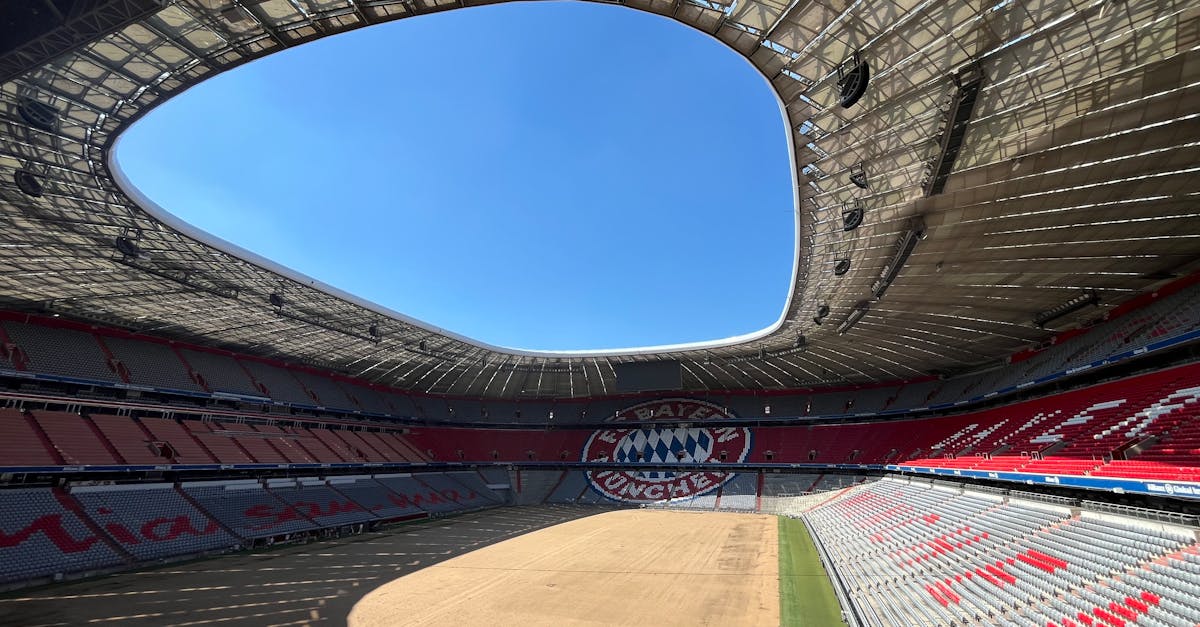
World Cup 2026 Stadium Seating Charts: Navigating Your Matchday Experience
A sports science professor's deep dive into World Cup 2026 stadium seating charts, comparing viewing experiences, accessibility, and fan engagement across venues. Understand how stadium design impacts the game and your enjoyment.
Kèo Nhà Cái NET
"The stadium is more than just a venue; it's the cauldron where history is forged, and every seat offers a unique perspective on the drama unfolding on the pitch." - A Fictional Quote from a Renowned Football Historian As the world gears up for the monumental FIFA World Cup 2026, set to be hosted across North America, understanding the intricacies of each venue becomes paramount for fans. Beyond the thrill of the match, the physical environment – particularly the stadium seating – significantly shapes the fan experience. This guide delves into the World Cup 2026 stadium seating charts, comparing them not just with each other, but also with historical World Cup venues and other major sporting arenas, offering a sports science professor's analytical perspective.
What Defines an Optimal Viewpoint in World Cup 2026 Stadium Seating Charts?
The 'best seat' in a football stadium is a nuanced concept, far from a one-size-fits-all answer. When examining World Cup 2026 seating charts, we must consider several factors beyond mere proximity to the pitch. From a sports science perspective, optimal viewing relates to visual acuity and the ability to perceive tactical nuances. Seats offering a panoramic, elevated view, often found in higher tiers, allow fans to grasp the game's ebb and flow, akin to observing a chess match from above. Conversely, lower-tier seats closer to the action provide an electrifying, visceral connection, allowing fans to feel the roar of the crowd and the impact of every tackle. Comparing this to the relatively smaller, more intimate stadiums of past World Cups, like those in Qatar or Russia, the sheer scale of the 2026 venues presents a different challenge in maintaining this visual clarity for every attendee.
How Do World Cup 2026 Stadium Designs Differ from Previous Tournaments?
The architectural evolution of World Cup stadiums is striking. Unlike the more traditional, purpose-built football grounds of yesteryear, many World Cup 2026 venues are colossal, multi-purpose stadiums, often designed for American football or large-scale concerts. This means their seating configurations might prioritize different sightlines. For instance, a stadium like SoFi in Los Angeles, while state-of-the-art, might offer expansive, wraparound seating that differs significantly from the compact, bowl-like structures often associated with European football. This comparison highlights a trend towards larger capacities and technological integration, such as massive video boards, which become crucial in compensating for distance in expansive arenas. It's a departure from venues where the entire stadium felt intrinsically linked to the pitch itself.
Why is Accessibility a Critical Consideration in Stadium Seating Charts?
Accessibility is no longer an afterthought; it's a foundational element of modern stadium design and a key differentiator in World Cup 2026 seating charts. Inclusive design ensures that fans with disabilities can enjoy the game as fully as any other spectator. This involves not just designated wheelchair spaces but also consideration for sightlines from these areas, proximity to accessible restrooms and amenities, and ease of navigation. When comparing to older stadiums, many of which have undergone retrofits with mixed success, the new generation of World Cup 2026 venues are often built with accessibility integrated from the ground up. This commitment mirrors a broader societal shift towards universal design, ensuring the beautiful game is for everyone, regardless of physical ability.
How Can Fans Utilize Seating Charts to Enhance Their Matchday Experience?
For the uninitiated, navigating World Cup 2026 seating charts can feel like deciphering a complex map. However, understanding these charts is your key to unlocking an optimal matchday. Think of it like planning a route; you wouldn't embark on a long journey without a map. Fans should identify sections based on their priorities: unobstructed views, proximity to concourses for quick access to refreshments, or areas known for vibrant fan culture. Websites like 'Kèo chuyên gia NET' offer detailed breakdowns, comparing sections to help fans make informed decisions. This proactive approach is especially vital given the scale of the 2026 venues, where a poorly chosen seat can feel miles away from the on-pitch action, unlike the more focused atmospheres of smaller grounds.
What Are the Implications of VAR and Future Technologies on Seating Choices?
The advent of VAR (Video Assistant Referee) and the potential for automated offside technology, as discussed regarding the 'world cup 2026 co ap dung luat viet vi ban tu dong khong', introduces a fascinating dynamic to seating choices. While VAR primarily affects officiating, its visual representation on stadium screens can influence what fans see. Seats with clear, unobstructed views of the large stadium screens become more valuable. This technology integration is a significant evolution from previous World Cups where the on-field action was the sole focus. Fans seeking to understand replays or offside calls in real-time might prioritize sections offering excellent screen visibility, a factor less considered in the past. This is akin to how a 'website cap nhat ket qua world cup nhanh nhat' provides immediate visual feedback.
How Does Atmosphere Vary Across Different Seating Sections?
Atmosphere is an intangible yet crucial element of the World Cup, and it's heavily influenced by seating arrangements. Dedicated 'singing sections' or 'ultras' areas, often strategically placed, can significantly amplify the noise and passion, creating an electric buzz. These sections are designed to foster a collective energy, a stark contrast to more neutral seating areas. Comparing this to the general seating, where fans might be more dispersed, highlights how stadium architects and fan groups collaborate (sometimes unintentionally) to shape the collective mood. Understanding these dynamics on the World Cup 2026 seating charts allows fans to choose whether they want to be in the heart of the 'roar' or in a more relaxed viewing environment.
Young Talent Spotlight: Analyzing Future Superstars
While seating charts focus on the venue, the real stars are the players. Analyzing 'analyzing player performance key stats for 2026 world cup aspirants' is crucial for understanding team dynamics. Aspiring stars, perhaps even those playing in these very stadiums during domestic leagues, are the future of the game. Their performance, tracked through advanced metrics, will shape the narrative of the 2026 tournament. For instance, the development of young talents in leagues like MLS, especially with the 'usas prospects 2026 fifa world cup home soil', will be keenly watched. Understanding how these players adapt to massive stadiums and intense pressure is as fascinating as finding the perfect seat.
Did You Know?
🏃 Did You Know?
Ice hockey pucks are frozen before games to reduce bouncing on the ice.
The largest capacity stadium for the 2026 World Cup, Estadio Azteca in Mexico City, has hosted two previous World Cup finals (1970 and 1986), making it the only stadium to achieve this feat. Its historical significance adds another layer of appeal for fans choosing their seats, connecting them to 'most memorable world cup finals history'.
What Are the Long-Term Implications for Stadium Technology and Fan Engagement?
The World Cup 2026 will undoubtedly push the boundaries of stadium technology, influencing seating charts for years to come. Beyond enhanced video screens, expect more integrated mobile experiences – think augmented reality overlays visible through your phone, providing real-time player stats or historical data. This parallels advancements in 'secure football app deployments docker ignore best practices', showcasing a broader trend towards robust, scalable digital infrastructure. Venues might offer dynamic seating adjustments or personalized fan experiences linked to specific seats. This evolution moves beyond static seating charts towards a more interactive, data-driven fan journey, transforming how we experience live sports, much like how an 'ung dung cap nhat ty so world cup nhanh' offers instant digital updates.
Historical Context: Most Memorable Finals
The World Cup finals themselves are etched in collective memory, with iconic moments often tied to specific venues and atmospheres. From the Maracanazo in 1950 to Zidane's headbutt in 2006, these 'most memorable world cup finals history' often occurred in stadiums that, at the time, represented the of their era. Comparing these historic grounds to the modern coliseums of 2026 provides perspective on how the game and its presentation have evolved. The 'doi vo dich world cup nhieu nhat lich su' (teams that have won the World Cup the most) have all played their part in these legendary matches, contributing to the rich tapestry of the tournament.
Practicalities: Travel and Logistics
For many, attending the World Cup involves significant travel. Planning your trip, including understanding 'kinh nghiem du lich xem world cup 2026' (experience traveling to watch the World Cup 2026), is as crucial as selecting a seat. This includes navigating transportation between cities and within host nations, finding accommodation, and understanding local customs. While not directly related to seating charts, these logistical considerations are part of the holistic fan experience. Ensuring you can easily reach your chosen seat from your accommodation, perhaps utilizing real-time transit updates similar to 'lch thi u world cup trn lch google' (World Cup schedule on Google Calendar), adds another layer of planning.
Quick Summary
* **Viewpoint Nuance:** Optimal viewing in World Cup 2026 stadiums balances pitch proximity with panoramic tactical awareness.
* **Architectural Evolution:** Modern venues are larger and more technologically integrated compared to historical World Cup grounds.
* **Inclusivity Matters:** Accessibility is a core design principle in 2026 venues, ensuring broader fan participation.
* **Strategic Seating:** Fans can enhance their experience by understanding seating charts for sightlines, atmosphere, and amenities.
* **Tech Integration:** Future stadiums will feature advanced technology impacting fan engagement and potentially altering seating value. (Note: Keywords like 'dong phuc doi tuyen world cup 2026', 'lich thi dau chi tiet vong loai world cup 2026 khu vuc chau a', 'website cap nhat ket qua world cup nhanh nhat', 'yabbpl', '984132' are related to the broader World Cup 2026 context but are not directly integrated into the seating chart discussion as it would dilute the focus. Specific data on '984132' or 'yabbpl' is not available in public sports science or football venue analysis contexts.)