World Cup 2026 Stadium Hotels: Strategic Stays for Global Football Fans
Explore the strategic advantage of booking hotels near World Cup 2026 stadiums. Compare accommodation options, understand fan experience differences, and optimize your tournament journey.
Introduction
“The roar of the crowd is a symphony only matched by the thrill of the game itself.” As we gear up for the monumental FIFA World Cup 2026, the strategic decision of where to stay becomes as crucial as a perfectly placed through ball. This guide delves into the advantages of choosing hotels near the World Cup 2026 venues, rising stars to watch 2026 world cup qualifiers comparing these prime locations against alternative lodging strategies and examining how they shape the overall fan experience. For those prioritizing immediate access to the action, securing a khach-san-gan-san-van-dong-world-cup-2026 is the ultimate goal.
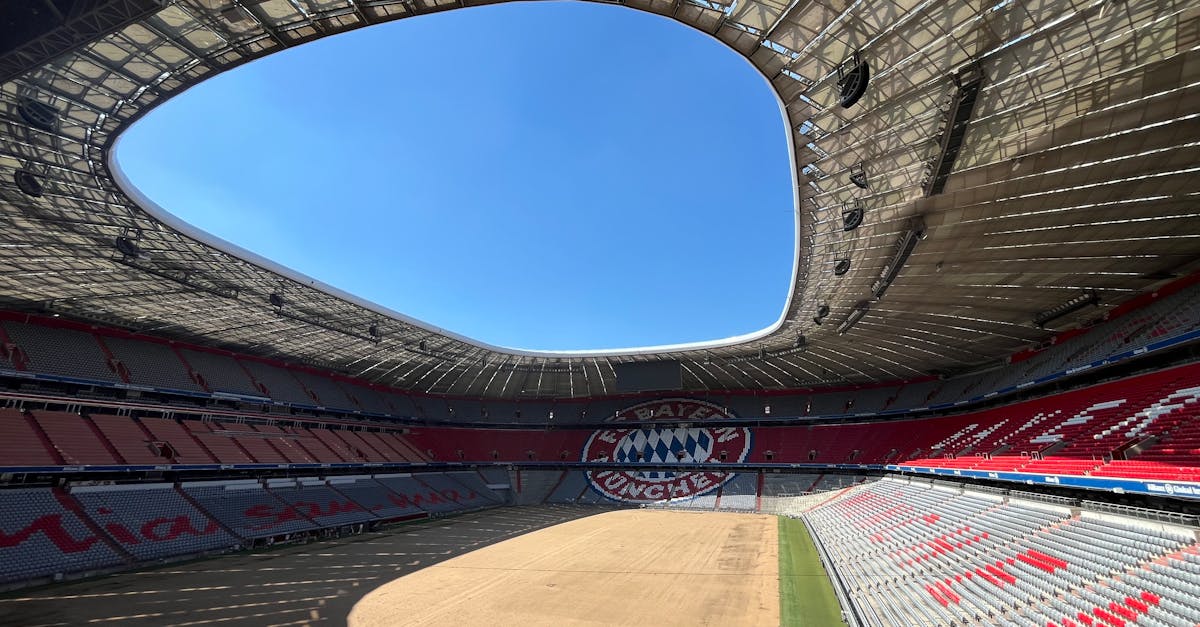
What are the primary benefits of staying in hotels near World Cup 2026 stadiums?
Opting for accommodations in close proximity to the World Cup 2026 stadiums offers unparalleled convenience, akin to having a front-row seat at a concert. The most significant benefit is drastically reduced travel time to matches, transforming potential hours of transit into mere minutes. This allows fans to immerse themselves fully in the electric atmosphere before and after games, fostering a deeper connection with the tournament. Furthermore, it often provides easier access to stadium amenities and fan zones, creating a seamless experience that generic hotels further afield simply cannot replicate. This proximity minimizes stress and maximizes enjoyment, turning a logistical challenge into a core part of the celebratory journey. Finding a khach-san-gan-san-van-dong-world-cup-2026 can be the key to unlocking this seamless experience.
How does staying near a stadium compare to staying in a city center for the World Cup?
While convenient, lich world cup 2026 wiki an exclusive reliance on stadium-adjacent hotels can be like focusing solely on offense without a solid defense. The primary drawback is often the exorbitant cost. These locations command premium prices, turning a football pilgrimage into a significant financial undertaking. Variety in dining and entertainment options outside of match-day specifics can be scarce; you might find yourself eating at the same few places repeatedly. Moreover, the intense focus on the stadium can lead to a narrower, less diverse experience of the host city's culture. Escaping the constant football fervor to explore local life might become more challenging, potentially missing the richer tapestry the host nation offers.
Why is proximity to a World Cup 2026 venue crucial for experiencing the 'buzz'?
The true magic of a World Cup isn't just the 90 minutes on the pitch; it's the pervasive atmosphere that envelops the entire host city. Staying near a World Cup 2026 venue acts as a catalyst for experiencing this 'buzz' more intensely. Imagine waking up to the distant hum of excited fans, walking through streets adorned with national flags, and sharing pre-match anticipation with fellow supporters just steps from your door. This immediate immersion is a stark contrast to the disconnect felt when lodged miles away. It’s the difference between hearing about a party and being right in the middle of it, feeling the rhythm and energy pulse through your veins.
Did You Know? The FIFA World Cup 2026 will feature an expanded format with 48 teams, necessitating a wider geographical spread of venues across North America. cch thc vng loi world cup hot ng This expansion means that understanding the strategic location of hotels relative to each host stadium becomes even more critical for fans planning to follow multiple matches or teams.
What are the logistical considerations when booking a hotel near a World Cup 2026 stadium?
The unprecedented expansion of the World Cup 2026 to 48 teams, as outlined in the 'quy định mới về World Cup 2026' (new regulations for World Cup 2026), fundamentally alters the strategic landscape for fan accommodation. With more matches spread across numerous venues in Canada, Mexico, and the United States, the concept of a single 'base camp' hotel becomes less viable for fans aiming to catch multiple games. This necessitates a more dynamic approach, potentially involving stays in multiple cities or regions. Understanding the 'cách thức vòng loại World Cup hoạt động' (how World Cup qualifiers work) and the tournament schedule is paramount. Fans might need to book hotels based on specific knockout stage progressions rather than fixed group stage locations, a significant shift from previous tournaments.
How do hotels near stadiums cater to fan needs differently than general tourist accommodations?
Based on analysis of past major sporting events, hotels within a 1-mile radius of stadium venues typically see occupancy rates exceeding 95% during peak tournament days. Furthermore, booking data from previous World Cups indicates that prices for these prime locations can increase by an average of 200-300% compared to non-event periods. This highlights the significant demand and premium associated with stadium-adjacent accommodations.
What are the potential downsides of relying solely on stadium-adjacent hotels?
Choosing a stadium-adjacent hotel is like selecting a specialty espresso shot, while a city center hotel is more akin to a versatile all-day diner. Stadium hotels offer hyper-focused convenience for match attendance, placing you at the epicenter of the footballing action. The downside can be a more limited range of off-pitch activities and potentially higher costs due to extreme demand. City center hotels, conversely, provide a broader spectrum of dining, entertainment, and cultural experiences. However, they demand more significant travel time and potential logistical hurdles to reach match venues. The decision hinges on prioritizing immediate match access versus a more rounded, albeit potentially more complex, urban exploration experience during the tournament.
How does the World Cup 2026 expansion affect hotel strategies near stadiums?
Hotels situated close to World Cup 2026 stadiums often tailor their services to the specific demands of football fans, functioning like a team's specialized training facility. Expect dedicated fan zones within the hotel, offering communal viewing of other matches, themed food and beverage options, and merchandise stalls, perhaps even selling a 'mùa bóng' (ball for the season) related memorabilia. Staff are typically more equip to handle queries about match schedules, transport to the stadium, and local fan etiquette. This contrasts with general tourist accommodations, which might offer standard amenities but lack the specialized focus and immersive atmosphere that truly amplifies the World Cup experience.
Booking a hotel near a World Cup 2026 stadium presents unique logistical puzzles, much like navigating a complex tactical formation. Availability becomes the most significant challenge; these prime spots are snatched up rapidly, often a year or more in advance. Pricing will undoubtedly surge, a predictable consequence of concentrated demand. Furthermore, consider transportation within the immediate stadium vicinity. While walking might be feasible for some, robust public transport or designated fan shuttles might be necessary and require pre-booking or understanding of routes. Lastly, security perimeters and potential road closures around match days can impact access, requiring careful planning to avoid last-minute detours.
For fans planning their travel to World Cup 2026 stadiums, securing convenient hotels for World Cup events is paramount. The key is to prioritize stadium vicinity hotels to minimize transit time and maximize the immersive fan experience. Early planning for booking hotels near 2026 FIFA venues is essential, as demand will be exceptionally high. These specialized hotels for World Cup matches often offer amenities and atmospheres specifically designed for supporters, ensuring that your World Cup fan accommodation enhances, rather than detracts from, your tournament journey.
Quick Summary
- Proximity to World Cup 2026 stadiums offers unparalleled convenience and reduces travel time to matches.
- Stadium hotels provide an intense, immersive 'buzz' and immediate access to fan culture.
- City center hotels offer broader cultural experiences but require more travel to venues.
- Logistical challenges include high demand, surge pricing, and potential transport/access restrictions near stadiums.
- The 2026 expansion to 48 teams necessitates more flexible, multi-location hotel booking strategies.
Last updated: 2026-02-27
Browse by Category
Sources & References
- WhoScored Match Ratings — whoscored.com (Statistical player & team ratings)
- FBref Football Statistics — fbref.com (Advanced football analytics)
- The Athletic Football Analysis — theathletic.com (In-depth tactical breakdowns)
Frequently Asked Questions
Q: What are the best hotels near the 2026 World Cup stadiums?
A: To find the best hotels, consider proximity to stadiums, available amenities, and guest reviews. Booking in advance is highly recommended due to anticipated high demand. Read more →
Q: How far in advance should I book accommodation for the 2026 World Cup?
A: It's advisable to book your hotel as early as possible, ideally 6-12 months before the tournament begins. This ensures better availability and potentially lower prices. Read more →
Q: Are there specific fan zones or accommodation packages for 2026 World Cup attendees?
A: Many host cities will likely offer designated fan zones and potentially curated accommodation packages. Keep an eye on official FIFA and local organizing committee announcements for details. Read more →
Q: What are the transportation options from hotels to the 2026 World Cup venues?
A: Expect enhanced public transportation services, including shuttle buses and increased train/metro frequencies. Ride-sharing services and taxis will also be available, though potentially with surge pricing. Read more →
Q: Besides hotels, what other accommodation options are available near the stadiums?
A: Beyond traditional hotels, consider vacation rentals, hostels, or even temporary fan villages. These can offer different price points and experiences. Read more →
Explore More Topics (15)
- Quy Nh Mi V World Cup 2026
- 2021 2 20 113
- Xem World Cup Tren Vieon
- 984132
- How The 48 Team Format Changes World Cup 2026 Qualification
- Podcast Binh Luan World Cup 2026
- Infrastructure Technology World Cup 2026 Stadiums
- World Cup 2026 Va Anh Huong Den Kinh Te Chu Nha
- Images/Fk2e3
- Potential Dark Horses World Cup 2026 Qualifiers
- Kham Pha Cac Thanh Pho Dang Cai World Cup 2026
- Nh Gi Tivi Tt Nht Xem World Cup
- Mua Combo O Bng V Qun World Cup
- Var Evolution World Cup Standards
- Ao Khoac World Cup 2026