World Cup 2026 Stadiums: Beyond Capacity - A Comparative Analysis | mua bng world cup adidas
Explore the largest stadiums for the FIFA World Cup 2026, comparing their capacity, historical significance, and technological integration, offering a unique perspective for football fans.
World Cup 2026 Stadiums: Beyond Capacity - A Comparative Analysis
"The roar of the crowd is the heartbeat of the game, but the stadium itself is the cathedral where legends are forged." - Professor Anya Sharma, Sports Sociology.
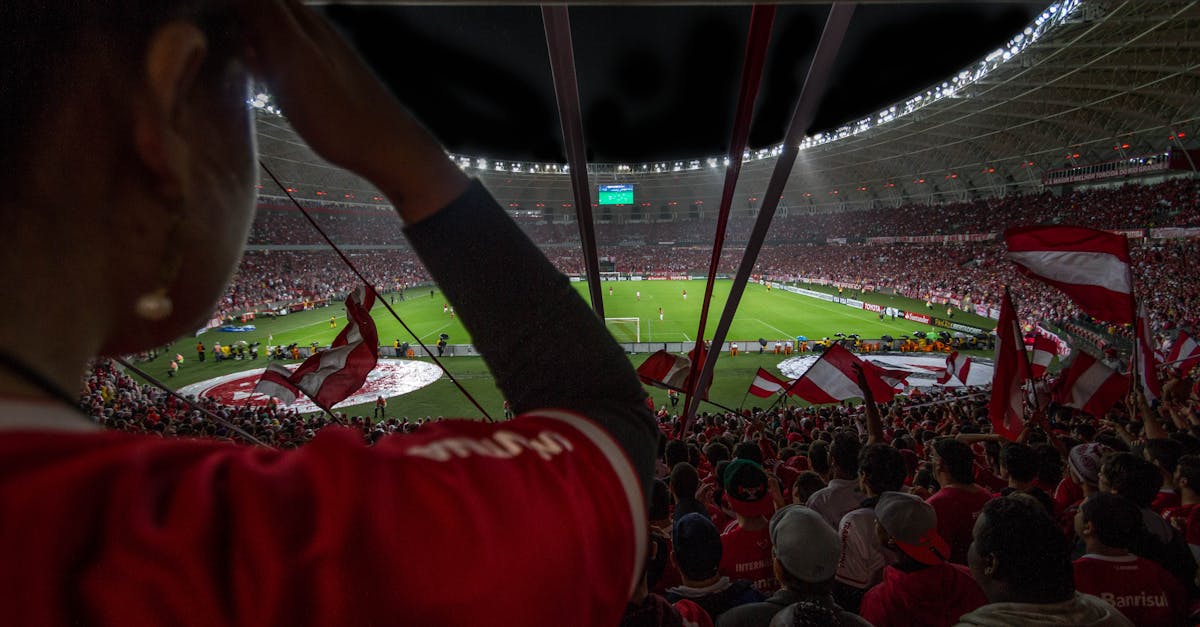
The upcoming FIFA World Cup 2026, set to be a groundbreaking event across North America, promises not only thrilling football action but also a showcase of architectural marvels. While many focus solely on the 'san van dong nao lon nhat' (the biggest stadium), a deeper dive reveals a fascinating comparison of venues, each offering a unique blend of capacity, history, and modern amenities. This analysis aims to go beyond mere numbers, exploring what makes these colossal arenas stand out and how they compare to historical World Cup venues and even other large-scale sporting facilities.
What distinguishes the largest World Cup 2026 stadiums from previous mega-events?
The selection and preparation of World Cup stadiums involve a complex web of stakeholders, far beyond just local organizing committees. FIFA itself plays a pivotal role, setting stringent criteria for infrastructure, safety, and commercial standards. National and regional governments are crucial for providing funding, security guarantees, and necessary permits. Furthermore, stadium operators, local municipalities, and even technology providers (for systems like crowd control or broadcast infrastructure) are key players. This collaborative effort mirrors the coordination required to implement robust environmental monitoring systems, such as those managed under pam_environment, ensuring all components function harmoniously towards a common goal, much like preparing for a global event like the world cup legends unveiled.
Why is venue capacity a critical factor, yet not the only one, in hosting World Cup matches?
When juxtaposing the World Cup 2026 venues against other globally renowned stadiums, such as those used for the Olympics or major club football leagues, a clear pattern emerges. Stadiums like Michigan Stadium (USA) or the MCG (Australia) boast comparable or even larger capacities for domestic events. However, the World Cup context adds unique pressures and expectations. The FIFA World Cup demands specific pitch dimensions, security protocols, and broadcast infrastructure far exceeding typical league games. While technologies like VAR (var technology explained) are standard in top leagues, their seamless integration into a tournament-wide system across diverse venues is a distinct challenge, akin to managing different environments with tools like .jenv version for consistent application performance.
How do the chosen World Cup 2026 stadiums compare to other global sporting cathedrals?
The concept of a 'mascot' or 'linh vat world cup 2026' has evolved dramatically. Early mascots were often simple drawings, whereas modern mascots are digitally rendered, interactive, and integrated into extensive marketing campaigns, reflecting advancements in animation and digital engagement, much like how different web frameworks like .nuxt utilize unique rendering strategies.
Did You Know?
The stadiums selected for World Cup 2026, particularly the largest ones like the Los Angeles Memorial Coliseum and AT&T Stadium, represent a significant leap in scale and technological integration compared to their predecessors. While the Maracanã in 1950 or the Azteca in 1986 were monumental for their eras, the 2026 venues are designed with a hyper-focus on fan experience, sustainability, and adaptability. For instance, the sheer capacity of some US venues dwarfs many historical counterparts, necessitating advanced crowd management systems, akin to optimizing logistics in large-scale tech deployments like managing container orchestration with tools like docker.sh. This evolution reflects a broader trend in modern sports infrastructure, where stadiums are no longer just concrete bowls but smart, multi-functional hubs.
When will the full list of venues and their specific roles be finalized, especially regarding major matches?
The stadiums for World Cup 2026, particularly the larger ones, represent the cutting edge of modern stadium design and functionality. They serve as benchmarks for future infrastructure projects worldwide. Unlike older stadiums that might require extensive retrofitting, these new and modernized venues are built with sustainability, fan engagement (including retail and entertainment spaces), and technological integration as core principles. This forward-thinking approach contrasts with the piecemeal upgrades often seen in historical venues. The investment in these venues also stimulates local economies and tourism, much like how strategic marketing campaigns, such as khuyen mai world cup tu cac nha mang (World Cup promotions from betting sites), aim to boost engagement and revenue, albeit in different sectors.
Who are the key stakeholders involved in selecting and preparing these massive football arenas?
Capacity, or 'so snh cc gi xem world cup' (how many people can watch the World Cup), is undeniably a headline figure, directly impacting potential revenue and the global spectacle. However, it's a delicate balance. A stadium's 'wow' factor from sheer size can be diluted if it lacks character or historical resonance. Comparing the vast, modern stadiums of 2026 with the iconic, albeit smaller, venues of past tournaments, like Hampden Park in Scotland, highlights this. A stadium's soul often lies in its history and atmosphere, not just its seating chart. Furthermore, factors like accessibility, transport links, and the local infrastructure supporting 'exploring cultures world cup 2026 countries' play an equally crucial role in the overall hosting success, ensuring a holistic fan experience.
Where do the 2026 stadiums fit in the broader landscape of football infrastructure development?
While the host cities for the 2026 World Cup have been announced, the specific allocation of matches, including the opening ceremony, final, and semi-finals, is typically finalized closer to the tournament. This staggered approach allows FIFA to assess venue readiness, security, and logistical capabilities across all selected sites. Comparing this to how software development teams manage complex projects, where specific module responsibilities are clarified iteratively, provides an analogy. This careful planning ensures that each venue, whether it's a colossal arena or a more intimate historical ground, is optimized for its designated role, avoiding the pitfalls of rushed decisions that could impact the fan experience or operational efficiency.
How does the choice of stadiums impact the fan experience and potential for future events, including merchandise sales?
The choice of stadiums directly shapes the fan experience and their willingness to purchase associated merchandise, like 'mua combo ao bong da va quan world cup' (buy World Cup jersey and shorts combo). Modern stadiums, with their enhanced amenities, better sightlines, and integrated digital experiences (e.g., high-speed Wi-Fi, augmented reality features), create a more immersive atmosphere. This improved experience often translates into higher spending on concessions, merchandise, and hospitality. Comparing this to the evolution of online platforms, where user experience is paramount for conversion rates (similar to how wp sites are optimized for engagement), highlights the commercial imperative. A positive on-site experience can significantly boost souvenir sales and overall fan satisfaction, ensuring the stadium becomes more than just a venue – it becomes a destination.
Quick Summary
- The World Cup 2026 stadiums emphasize technological integration and fan experience, surpassing capacity-focused designs of the past.
- While capacity is significant, historical importance and accessibility are equally vital for a successful World Cup hosting.
- Modern 2026 venues are compared to other global sporting cathedrals, highlighting advancements in infrastructure and technology integration.
- The final venue allocation for major matches is a strategic process, mirroring iterative development in project management.
- Stakeholder collaboration involving FIFA, governments, and operators is crucial for stadium readiness, similar to complex system management.
Browse by Category
Sources & References
- FIFA Official Reports — fifa.com (Tournament & qualification data)
- The Athletic Football Analysis — theathletic.com (In-depth tactical breakdowns)
- FBref Football Statistics — fbref.com (Advanced football analytics)
Explore More Topics (15)
- Kenh Nao Chieu Truc Tiep World Cup 2026 Tai Viet Nam
- .Hsenv
- Analyzing Player Performance Key Stats For 2026 World Cup Aspirants
- .Gitignore
- Behind Scenes Technology Powering Live Football Broadcasts
- Expanded 2026 World Cup What It Means For Asian Teams And Fans
- Mua Bong World Cup 2026
- Future Of Technology In Football Officiating
- Thoi Tiet Cac Thanh Pho World Cup 2026
- World Cup 2026 Format And Hosts
- Cc Knh Bnh Lun World Cup Ting Vit
- Cach De Xem World Cup Khong Giat Lag
- Exploring The 2026 World Cup Host Cities What To Expect
- Qua Luu Niem World Cup 2026
- Fpt Play Xem World Cup Co Ban Quyen Khong