World Cup 2026: How 48 Teams Reshape Qualification
Explore the seismic shift to a 48-team World Cup in 2026. A sports science professor analyzes how this expansion drastically alters qualification pathways, comparing it to past formats and its global impact.
"The beauty of sport lies not just in its predictable rhythms, but in its capacity for evolution, much like the changing landscape of human physiology over time." – Prof. Anya Sharma
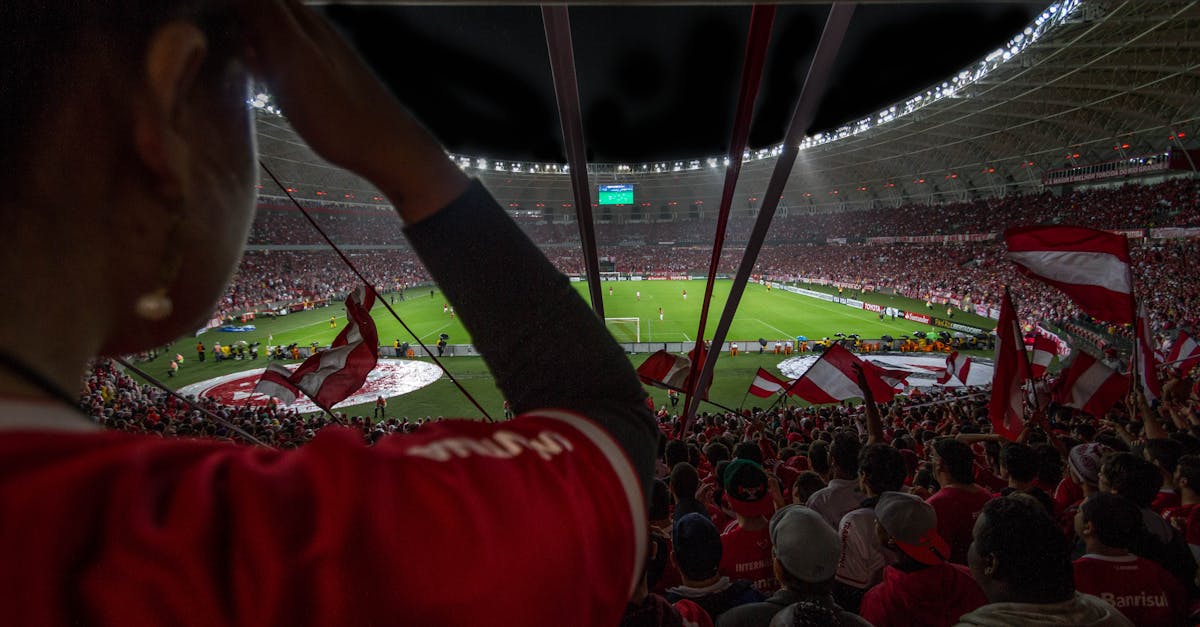
This is where the debate intensifies, much like comparing an elite marathon runner to a large-scale community fun run. Proponents argue that increased participation democratizes the sport, offering dreams to more nations and enriching the global narrative. Opponents, however, fear a dilution of quality, with more lopsided matches, particularly in the group stages. The new format, with third-placed teams advancing, aims to mitigate this by ensuring stronger teams have a better chance to progress, but the initial group stage may feel less like a razor-sharp tactical duel and more like a broad survey. However, for fans eager to support their nation, the prospect of 'mua ve xem World Cup cho nguoi Viet' or finding out 'mua ve xem World Cup 2026 gia bao nhieu' becomes more tangible, potentially boosting local engagement, even if the on-field spectacle is perceived differently.
What are the main structural changes for the 2026 World Cup?
The expanded slot allocation dramatically alters the competitive intensity and pathways for each confederation. For instance, UEFA's allocation will likely increase, but the 'easy' qualification matches seen previously might diminish as more nations vie for fewer guaranteed spots relative to the total number of games. Conversely, confederations like Africa and Asia, historically underrepresented, gain significantly more berths. This is akin to opening up more lanes on a highway; while it eases congestion, the individual driver's journey and the overall traffic flow are fundamentally changed. The 'road to 2026 key teams World Cup qualifiers' will now feature more unpredictable contenders, shifting the traditional power dynamics and potentially leading to more diverse outcomes than in previous 'lich su World Cup va nhung thay doi nam 2026'.
Why has FIFA chosen to expand the World Cup to 48 teams?
The FIFA World Cup, a global spectacle that unites nations, is undergoing its most significant transformation since its inception. The shift from a 32-team format to an expanded 48-team tournament in 2026 represents not merely an increase in participants, but a fundamental redesign of the 'road to glory'. This expansion impacts everything from continental qualification battles to the very narrative of the tournament itself, forcing us to re-evaluate what constitutes success and opportunity on the global football stage.
How does the 48-team format change qualification for continents?
The 2026 World Cup will be the first to be jointly hosted by three nations: Canada, Mexico, and the United States. This tri-nation hosting model is a departure from previous single or dual-host arrangements and reflects a growing trend in international sports event management towards shared responsibilities and broader geographical reach, creating unique logistical and fan travel considerations that differ from traditional 'config/settings.ini' style local event planning.
What are the potential impacts on the quality of football and fan experience?
The World Cup has a history of format evolution, often mirroring broader trends in global sports. The tournament began with just 13 teams in 1930, expanding to 16 in 1950, then 24 in 1982, and finally 32 in 1998. Each expansion, like the shift from a knockout-only format to groups, was met with similar debates about quality versus inclusivity. The 1982 expansion to 24 teams was particularly transformative, introducing a second group stage, a complex structure that was later simplified. The 2026 change to 48 teams is the most radical yet, moving beyond incremental adjustments to a significant structural overhaul, akin to upgrading a classic car's chassis and engine for a modern race track, rather than just changing the paint job.
How does this expansion affect betting and fan engagement strategies?
The proliferation of teams and matches fundamentally alters the landscape for 'huong dan dat cuoc World Cup an toan' and fan engagement. With more games, betting platforms like those associated with Kèo chuyên gia NET will have a wider array of 't l ko' (odds) to offer, creating more betting opportunities. However, predicting outcomes becomes more complex due to the increased number of variables and less familiar teams. For fans, the expansion can foster deeper engagement, as more countries have a realistic chance to qualify, potentially sparking national pride and interest. This could translate into demand for merchandise like 'mua combo ao bong da va quan World Cup' and dedicated 'fan zone World Cup 2026 o Viet Nam', making the tournament feel closer to home for a broader audience, moving away from 'nhn nh ko bng' (non-football commentary) towards genuine national support.
What are the historical precedents for World Cup format changes?
The decision to expand is multifaceted, driven by a blend of sporting, commercial, and geopolitical considerations. FIFA cites a desire to increase global inclusivity, offering more confederations a chance to participate and fostering football's growth in emerging markets. Commercially, more teams mean more matches, potentially increasing broadcast rights and sponsorship revenues, similar to how major leagues expand their playoffs to capture greater audience engagement. From a sports science perspective, it also presents a unique challenge in managing player fatigue across a longer tournament, a consideration that often lags behind the structural changes. This move is less about merely increasing the pie and more about redistributing slices, creating new fan zones around the world, perhaps even inspiring a 'fan zone World Cup 2026 o Viet Nam'.
Did You Know?
The most profound alteration is the jump from 32 to 48 participating nations. This isn't just about adding more teams; it fundamentally reshapes the tournament's architecture. Instead of the familiar eight groups of four, the 2026 edition will feature twelve groups of four teams. From these groups, the top two finishers, along with the eight best third-placed teams, will advance to a 32-team knockout stage. This contrasts sharply with the previous model where only the top two from each group progressed. This new structure aims to enhance global representation, but it also introduces complexities in strategic planning, akin to tuning a complex engine rather than a simple one, demanding new approaches to group dynamics and tie-breaking scenarios.
How will the new format affect player welfare and team strategies?
The increased number of matches, particularly for teams that advance deep into the tournament, raises significant player welfare concerns. Teams might play an additional one or two games compared to the 32-team format. This necessitates meticulous physical preparation, advanced recovery protocols, and potentially deeper squads. Coaches will need to adopt more flexible tactical approaches, balancing offensive and defensive strategies to navigate the new group stage dynamics, including managing results when a draw might be sufficient for third-place progression. It's like asking an athlete not just to run a marathon, but to prepare for an ultra-marathon, requiring different pacing, nutrition, and mental fortitude, a true test of the 'road to 2026 key teams World Cup qualifiers' endurance.
Quick Summary
- The 2026 World Cup expands from 32 to 48 teams, featuring twelve groups of four and a 32-team knockout stage.
- Expansion aims to boost global representation and commercial revenue, mirroring trends in other major sports.
- Qualification pathways are significantly altered, offering more opportunities for historically underrepresented confederations.
- Debates persist regarding the potential impact on overall match quality versus enhanced fan inclusivity and dreams.
- The new format presents new betting opportunities, fan engagement strategies, and significant challenges for player welfare and team tactics.
Browse by Category
Sources & References
- UEFA Technical Reports — uefa.com (Tactical analysis & competition data)
- FIFA Official Reports — fifa.com (Tournament & qualification data)
- The Athletic Football Analysis — theathletic.com (In-depth tactical breakdowns)